Business Intelligence and Strategic Forecasting: 120829, 120921493, 418927502, 610876091, 604373718, 613967754
Business intelligence and strategic forecasting are increasingly central to organizational success. They enable firms to transform raw data into actionable insights, enhancing decision-making processes. The interplay between these two disciplines creates a framework for predicting trends and aligning resources effectively. However, the challenge lies in the effective integration of these systems. Understanding key identifiers and their implications can reveal deeper insights into this complex relationship. What are the critical factors that drive this integration?
Understanding Business Intelligence and Its Impact on Decision-Making
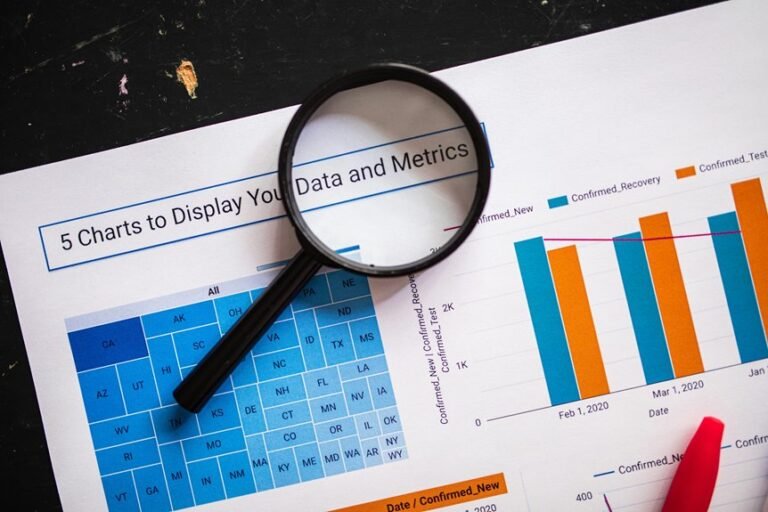
Business intelligence (BI) serves as a pivotal framework that enhances organizational decision-making through data-driven insights.
By leveraging data visualization and predictive analytics, organizations can develop robust decision models.
Real-time reporting ensures timely access to performance metrics, while strong data governance maintains data integrity.
This synergy empowers businesses to make informed choices, fostering an environment where freedom and innovation can thrive.
The Role of Strategic Forecasting in Business Growth
While many organizations focus on immediate operational needs, strategic forecasting stands out as a critical tool for long-term business growth.
By integrating forecasting techniques into strategic planning, businesses can better analyze market trends, enhance demand prediction, and optimize resource allocation.
This proactive approach aids in assessing risks and understanding the competitive landscape, ultimately aligning growth metrics with organizational objectives for sustainable success.
Key Identifiers and Their Significance in BI and Forecasting
Key identifiers play a pivotal role in the realms of business intelligence (BI) and strategic forecasting.
Their identifier significance lies in the ability to streamline data relevance, ensuring that organizations focus on critical metrics. This focus enhances decision-making processes, allowing for more accurate predictions and insights.
Ultimately, key identifiers enable businesses to navigate complexities, fostering agility and informed strategies in a dynamic marketplace.
Implementing Data-Driven Insights for Competitive Advantage
Harnessing data-driven insights has become essential for organizations seeking to gain a competitive advantage in today’s fast-paced market landscape.
Effective data analysis enables firms to develop competitive strategies, leveraging insight generation to identify market trends.
Conclusion
In summary, the integration of Business Intelligence and strategic forecasting is essential for organizations seeking to navigate the complexities of today’s market. A compelling statistic underscores this need: companies that leverage data-driven insights are 5 times more likely to make faster decisions than their competitors. This highlights the critical advantage of BI and forecasting in enhancing agility and informed decision-making, ultimately positioning businesses for sustainable growth and a stronger competitive edge.