Is Male Breast Enlargement a Taboo Topic in Dubai?
For many men, noticing a change in their chest contour can be a source of deep discomfort and confusion. The condition, known as gynecomastia, involves the enlargement of glandular breast tissue and is far more common than most people realize. In a city like Dubai, where appearance and confidence are often intertwined with personal and professional life, the emotional impact can be particularly significant. The good news is that it’s a treatable condition, and seeking clarity is the first step toward a solution. For those looking to understand their options, finding a reputable specialist is key; you can learn more about the surgical pathway through this resource on gynecomastia in Dubai.
What Exactly Causes This Condition?
At its core, gynecomastia is typically a hormonal issue. It happens when there’s an imbalance between estrogen and testosterone. This imbalance can be triggered by several factors:
- Natural Hormone Shifts: This is very common during puberty and can also occur with aging.
- Medications and Substances: Certain prescription drugs, some antidepressants, heart medications, and even recreational substances like cannabis can contribute.
- Underlying Health Conditions: Sometimes, it’s a sign of issues with the liver, kidneys, or thyroid.
- Weight Gain: Increased body fat can elevate estrogen levels and also cause fatty deposits on the chest, which may mimic true gynecomastia.
It’s crucial to distinguish between true glandular growth and simple fat accumulation, as the approach to treatment differs.
Recognizing the Signs and Getting a Diagnosis
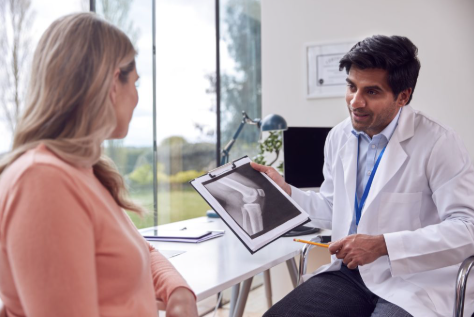
How do you know if it’s gynecomastia? Typically, men notice a firm, rubbery lump of tissue concentrated under the nipple area. It can sometimes be tender or sensitive. The first and most important step is a proper medical evaluation. A doctor will:
- Conduct a physical exam to feel the tissue.
- Review your full medical history and any medications.
- Possibly order blood tests to check hormone levels.
- Use an ultrasound to visualize the breast tissue.
This process rules out other, rarer causes and confirms the diagnosis, forming the basis for a safe treatment plan.
When Should You Consider Treatment?
Not every case needs intervention. For teenagers, it often resolves on its own within a couple of years. For adults, the decision to treat is usually based on:
- How long the condition has persisted.
- The degree of physical discomfort or pain.
- The level of emotional or psychological distress it causes.
If it affects your daily life, your choice of clothing, or your self-confidence, exploring treatment is a valid and common choice.
What Are the Available Treatment Paths?
Treatment falls into two main categories: non-surgical and surgical.
Non-Surgical Approaches The initial focus is always on addressing any reversible cause. This might mean adjusting medications under a doctor’s supervision or managing an underlying health condition. In some specific, early-stage cases, hormone-blocking medications may be prescribed by an endocrinologist to reduce tissue size.
Surgical Correction When tissue persists, surgery becomes the definitive solution. In Dubai, this is typically a tailored procedure that may involve:
- Liposuction: To remove excess fatty tissue.
- Gland Excision: To directly remove the firm glandular breast tissue. A skilled surgeon often combines these techniques for a smooth, natural-looking chest contour.
See also: How Technology Is Improving Healthcare Accessibility
What Does Recovery Look Like?
Understanding the recovery process helps set realistic expectations. After surgery, you can expect:
- Initial Recovery (1-2 weeks): Swelling and bruising are normal. You’ll wear a compression garment to minimize swelling and support healing. Most people return to desk work within a week.
- Activity Resumption: Strenuous exercise and heavy lifting are usually restricted for about 4-6 weeks.
- Final Results: While you’ll see improvement quickly, the final sculpted result emerges as all swelling subsides, which can take 3-6 months.
How to Choose the Right Clinic and Surgeon in Dubai
Dubai’s medical landscape offers high standards, but due diligence is essential. Here’s what to look for:
| Consideration | What to Look For |
| Surgeon’s Credentials | Board certification in plastic surgery and specific, proven experience with male breast reduction. |
| Consultation | A thorough assessment where all your questions are answered, including risks, benefits, and alternatives. |
| Before-and-After Gallery | Real patient photos that show consistent, natural results for cases similar to yours. |
| Clinic Accreditation | The facility should be licensed and adhere to international safety protocols. |
Moving Forward with Confidence
If you’re considering evaluation, start by noting when the changes began and making a list of all medications and supplements you take. Prepare your questions for the consultant. Remember, seeking help is about taking control of your well-being. Gynecomastia is a medical condition, and addressing it successfully can profoundly restore comfort and confidence, allowing you to focus on living life without self-consciousness holding you back.