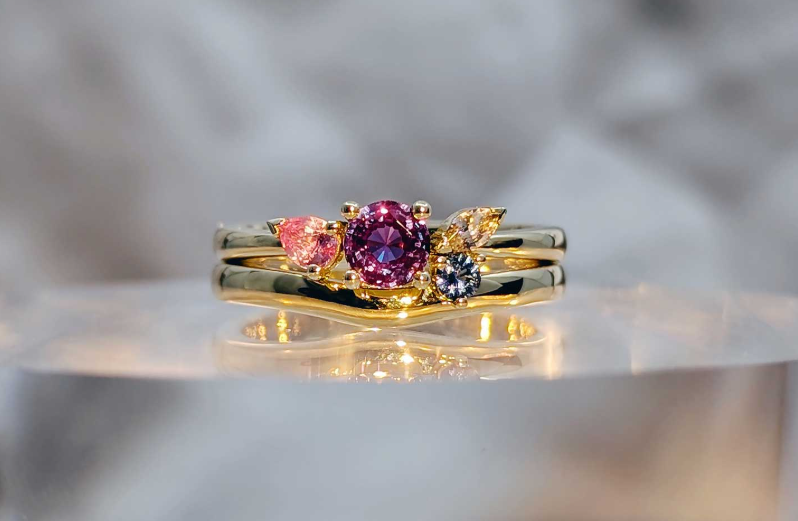
How Does Alexandrite Change Colour Under Different Lighting?
Alexandrite is often called the “chameleon gemstone” because of its extraordinary ability to change color under different lighting conditions. This unique characteristic makes it one of the most fascinating and sought-after gemstones in the world. Natural alexandrite is renowned for its rarity and dramatic color changes, while lab-grown alexandrite offers a more accessible option with similar optical properties. Understanding how alexandrite changes color requires exploring the science behind the gem, the types of lighting that influence it, and how natural and lab-grown alexandrite compare in this remarkable trait.
The Science Behind Alexandrite’s Color Change
The color-changing effect in alexandrite is caused by the presence of trace amounts of chromium in its crystal structure. Chromium absorbs certain wavelengths of light and reflects others, giving the gem its signature green and red tones. In daylight, which contains more blue and green wavelengths, alexandrite typically appears green or bluish-green. Under incandescent or candlelight, which emits more red wavelengths, the gemstone shifts to red or purplish-red.
This phenomenon is scientifically known as pleochroism combined with color-change effect, and it is extremely rare in gemstones. While other stones may exhibit pleochroism (different colors when viewed from different angles), alexandrite’s dramatic color change under different lighting conditions is almost unmatched in the gemstone world.
Natural vs. Lab-Grown Alexandrite
Natural alexandrite is formed over millions of years in specific geological conditions. Each natural stone has its own unique pattern of color change, influenced by the exact distribution of chromium and other trace elements. Some natural alexandrite displays a subtle shift, while high-quality stones exhibit a dramatic contrast between green and red.
Lab grown alexandrite, however, is created in controlled laboratory environments. Scientists can replicate the exact conditions needed to produce alexandrite crystals with consistent chemical composition. As a result, lab-grown alexandrite often has a very pronounced color change, sometimes even more vivid than natural stones. The benefit of lab-grown alexandrite is that buyers can enjoy flawless color transitions without the exorbitant price tag or rarity associated with natural alexandrite.
How Lighting Affects Alexandrite
The way alexandrite changes color is highly dependent on the type of light it is exposed to. Here’s a breakdown of how different lighting conditions affect both natural and lab-grown alexandrite:
Daylight
Daylight, especially in the morning or on a cloudy day, contains a balanced spectrum of colors, with a dominance of blue and green wavelengths. Under this light, alexandrite typically appears green, bluish-green, or yellowish-green. The exact hue depends on the stone’s composition. Lab-grown alexandrite often shows a bright, clear green under daylight, while natural alexandrite may display subtle variations due to inclusions or trace minerals.
Incandescent Light
Incandescent lighting, like that from traditional bulbs or candles, is rich in red wavelengths. When exposed to this warm light, alexandrite shifts to red, purplish-red, or burgundy. This dramatic transformation is what gives the gemstone its “chameleon” reputation. Lab-grown alexandrite is engineered to maximize this red shift, making the transition more vivid and predictable.
See also: Stüssy The Legacy of a Streetwear Revolution
Fluorescent Light
Fluorescent lighting, common in offices and schools, has a higher concentration of blue and green light. Under these conditions, alexandrite generally leans toward green or bluish tones. Some natural alexandrite stones may appear slightly muted in fluorescent lighting, while lab-grown alexandrite maintains its clear green hue.
Mixed Lighting
In environments with mixed lighting, such as sunlight streaming through a room lit by incandescent lamps, alexandrite can appear to shift color subtly depending on the angle of view and the dominant light source. This makes it especially fascinating for jewelry lovers, as the stone appears alive and constantly changing. Both natural and lab-grown alexandrite exhibit this dynamic behavior, although lab-grown stones often show a more predictable transition.
Choosing Alexandrite for Jewelry
The dramatic color change of alexandrite makes it a prized choice for rings, necklaces, and earrings. When shopping, it’s important to observe the gem under different lighting conditions to appreciate its full range of colors.
Lab-grown alexandrite provides an excellent option for jewelry buyers who want a vivid color change without paying the high price of natural alexandrite. These stones can be produced in larger sizes and flawless quality, which allows jewelers to design eye-catching pieces that highlight the gemstone’s unique optical properties.
Natural alexandrite remains highly valued for collectors and connoisseurs due to its rarity, history, and unique inclusions that give each stone individuality. In contrast, lab-grown alexandrite offers consistency, affordability, and ethical sourcing, appealing to those who want beauty and sustainability combined.
Conclusion
The ability of alexandrite to change color under different lighting is a combination of its unique chemical composition and the type of light it encounters. Natural alexandrite offers rare, one-of-a-kind color shifts, while lab grown alexandrite provides consistent, vibrant changes that are easier to acquire and more budget-friendly. Both forms of the gemstone display the remarkable chameleon-like properties that have fascinated gem enthusiasts for centuries. Whether you choose a rare natural stone or a stunning lab-grown alexandrite, the magical color-changing effect remains the ultimate highlight of this extraordinary gem.