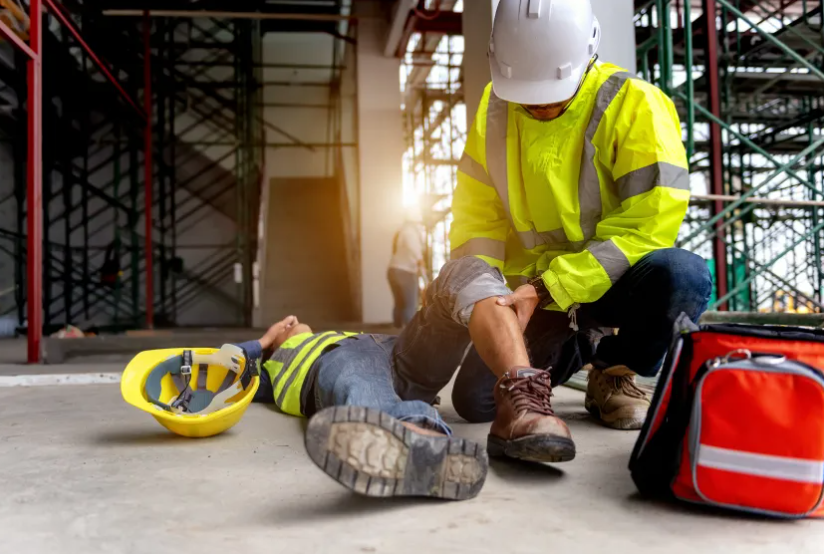
Construction Site First Aid Kits for Compliance & Safety
Construction sites are dynamic, high-risk environments where injuries can occur despite the best planning and safety controls. From minor cuts and abrasions to more serious incidents involving falls, electrical contact, or heavy machinery, the potential for workplace accidents makes preparedness essential. One of the most fundamental components of construction site safety is a properly stocked and well-maintained first aid kit.
Construction site first aid kits are not just a best practice—they are a legal and moral requirement. They play a critical role in minimizing the severity of injuries, stabilizing workers until professional medical help arrives, and ensuring compliance with occupational health and safety regulations. This article explores why first aid kits matter, what they should contain, how to stay compliant, and how they contribute to a safer, more resilient construction workforce.
Why First Aid Kits Are Essential on Construction Sites
Construction consistently ranks among the most hazardous industries worldwide. Workers are exposed to risks such as falling objects, sharp tools, heavy equipment, confined spaces, noise, dust, and hazardous materials. Even with strict safety protocols, incidents can still occur.
A well-equipped first aid kit allows for:
- Immediate response to injuries, reducing complications
- Faster stabilization before emergency services arrive
- Improved recovery outcomes for injured workers
- Compliance with workplace safety laws and standards
- Increased worker confidence and morale
In many cases, the availability of first aid supplies can mean the difference between a minor incident and a serious medical emergency.
Legal and Regulatory Requirements
Most occupational safety authorities require employers to provide adequate first aid supplies appropriate to the nature and size of the workplace. Construction sites typically fall under higher-risk categories, meaning the requirements are more stringent than for office or retail environments.
Key compliance considerations include:
- Risk assessment of the job site
- Number of workers on site
- Type of construction activities being performed
- Distance to emergency medical services
- Availability of trained first aid personnel
Failing to meet these requirements can result in fines, work stoppages, legal liability, and reputational damage. More importantly, it puts workers at unnecessary risk.
Types of First Aid Kits for Construction Sites
Not all construction sites are the same, and first aid kits should be tailored accordingly. Common types include:
Basic First Aid Kits
Suitable for small, low-risk tasks or short-duration projects. These kits cover minor injuries such as cuts, splinters, and burns.
Intermediate or Standard Kits
Designed for medium-sized crews and general construction activities. These kits include more comprehensive supplies for moderate injuries.
Advanced or Industrial Kits
Required for large sites, high-risk operations, or remote locations. These kits often include trauma supplies and equipment for more serious injuries.
Portable Kits
Used by mobile crews or workers operating away from the main site, such as survey teams or maintenance workers.
Essential Contents of a Construction Site First Aid Kit
While specific requirements may vary by jurisdiction, a compliant construction site first aid kit typically includes the following categories of supplies:
Wound Care Supplies
- Adhesive bandages in various sizes
- Sterile gauze pads and rolls
- Adhesive medical tape
- Antiseptic wipes or solution
- Wound dressings and compression bandages
Burn Treatment
- Burn dressings or burn gel
- Sterile non-adhesive pads
Personal Protective Equipment (PPE)
- Disposable gloves (non-latex preferred)
- Face shields or CPR masks
Injury Support Items
- Elastic bandages for sprains
- Cold packs
- Triangular bandages or slings
Tools and Accessories
- Trauma scissors
- Tweezers
- Safety pins
Emergency Information
- First aid instructions or manual
- Emergency contact numbers
- Incident reporting forms
For higher-risk sites, additional items such as tourniquets, eye wash solutions, or splints may be required.
Placement and Accessibility
Having a first aid kit is not enough—it must be easy to find and quickly accessible. Best practices include:
- Clearly marking kit locations with signage
- Placing kits near high-risk work areas
- Ensuring kits are accessible during all shifts
- Using weather-resistant containers for outdoor sites
Large construction sites should have multiple kits distributed across different zones to minimize response time.
Inspection and Maintenance of First Aid Kits
A neglected first aid kit can be as dangerous as having none at all. Supplies can expire, become contaminated, or be depleted over time.
To maintain readiness:
- Assign a responsible person to inspect kits regularly
- Replace used or expired items immediately
- Keep inspection records for compliance audits
- Update kit contents when site conditions change
Regular inspections ensure that the kit is fully stocked and ready when needed.
Training: The Human Element of First Aid Preparedness
First aid kits are only effective if workers know how to use them. Construction employers should ensure that an appropriate number of workers are trained in first aid and emergency response.
Training benefits include:
- Faster and more confident response to injuries
- Reduced panic during emergencies
- Improved compliance with safety regulations
- Enhanced workplace safety culture
Many employers encourage or require workers to complete formal first aid and resuscitation training, such as enrolling in a CPR Course Regina, to ensure they are prepared to respond effectively to cardiac or respiratory emergencies.
Special Considerations for High-Risk Construction Roles
Certain construction roles carry heightened risk and require additional preparedness. For example, a roofing contractor often works at heights where falls are a major hazard. For such roles, first aid planning should include:
- Fall-related trauma supplies
- Clear emergency rescue procedures
- Rapid communication protocols
- Additional first aid training focused on high-angle injuries
Tailoring first aid readiness to specific job risks improves both safety outcomes and regulatory compliance.
Integration with Overall Site Safety Programs
First aid kits should not be in a vacuum. They serve their highest purpose when they are part of a larger construction safety management program that includes:
Analyzing job hazards
Safety briefings and toolbox meetings
Reporting and investigating incidents
Planning for emergency responses
Teaching safety to workers
When first aid planning is integrated into the everyday work of the organization, first aid becomes a a planned preventative tool, rather than a reactionary tool.
See also: How Technology Is Improving Healthcare Accessibility
Benefits Beyond Compliance
While regulatory compliance is a major driver, the benefits of proper first aid kits extend further:
- Reduced injury severity and recovery time
- Lower workers’ compensation costs
- Improved employee trust and retention
- Enhanced company reputation for safety
Workers who feel protected and supported are more likely to remain engaged and productive.
Conclusion
First aid kits are critical to maintaining a level of safety and injury prevention in the construction industry. Having the ability to respond to injuries immediately helps meet regulatory standards and shows that your employer cares about you and your safety. Risk on construction sites can be greatly lessened with having a sturdy type of kit, maintaining the supplies and having proper training in place. It shows that a construction company is prepared to tackle the challenges of working safely on construction sites.
Having a first aid kit that is full of supplies, combined with good safety procedures and personnel, will help keep a construction worksite and its workers safe in the case of an emergency