The Rise of Remote Guarding: How Real-Time Monitoring Is Transforming Security
Security strategies have shifted dramatically as businesses face increasingly complex risks. Traditional systems that rely on alarms and recorded footage are no longer sufficient on their own. Organizations are looking for solutions that allow them to detect, assess, and respond to threats in real time.
Remote guarding has emerged as a powerful answer to this demand. By combining live monitoring with advanced communication tools, it enables immediate action and reduces the reliance on delayed responses. This evolution is redefining what effective security looks like in modern environments.
Why Traditional Monitoring Falls Short
Conventional alarm systems are designed to alert after an event has already begun. While they serve an important purpose, they often lead to delayed responses or false alarms. In many cases, by the time authorities are notified, the incident has already escalated.
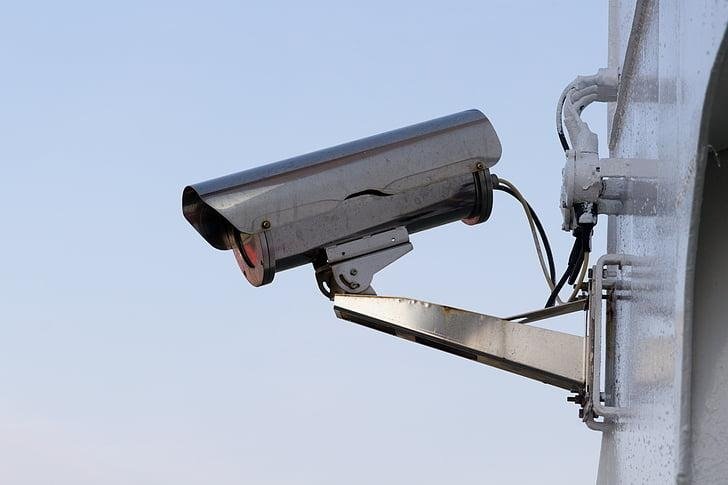
Video surveillance systems improve visibility but still operate reactively if not actively monitored. This gap between detection and response has driven the need for more proactive solutions.
Understanding Remote Guarding in Practice
Real-Time Monitoring and Intervention
Remote guarding introduces continuous, live oversight of a property. Trained operators monitor video feeds and respond immediately when suspicious activity is detected. This can include issuing voice warnings, activating deterrents, or contacting emergency services.
The ability to intervene in real time significantly reduces the likelihood of incidents escalating. It also provides a level of accountability and control that traditional systems cannot offer.
Reducing False Alarms Through Intelligent Monitoring
One of the major advantages of remote guarding is its ability to filter out false alarms. Instead of relying solely on automated triggers, human operators verify situations before taking action. This reduces unnecessary disruptions and ensures that responses are appropriate.
Industry insights, such as those discussed in analysis of modern monitoring models, highlight how intelligent verification is improving efficiency and reliability across security systems.
The Value of Professional Remote Guarding Services
As organizations seek more effective protection, services like Pioneer Security remote guarding services provide a structured approach to real-time monitoring. These solutions combine trained personnel, advanced technology, and defined response protocols to create a proactive security system.
By focusing on prevention rather than reaction, remote guarding helps businesses reduce risks, protect assets, and maintain operational continuity. This makes it particularly valuable for properties with high exposure or critical operations.
Integrating Cyber and Physical Security
Modern security systems are increasingly interconnected, blending physical monitoring with digital infrastructure. This integration introduces new challenges, as vulnerabilities in one area can impact the other.
Guidance from resources like cybersecurity practices for modern environments emphasizes the importance of securing networks, managing access, and maintaining system integrity. Applying these principles ensures that remote guarding systems remain both effective and secure.
Enhancing Operational Efficiency
Remote guarding does more than improve security—it also enhances operational efficiency. By centralizing monitoring functions, businesses can reduce the need for extensive on-site personnel while maintaining a high level of oversight.
This approach allows organizations to allocate resources more effectively, focusing on areas where human presence is most needed. It also provides consistent monitoring across multiple locations, improving overall coordination.
Scalability and Flexibility in Modern Security
As businesses grow, their security needs evolve. Remote guarding solutions are designed to scale, allowing organizations to expand coverage or integrate new technologies without significant disruption.
This flexibility makes it easier to adapt to changing conditions, whether that involves adding new locations, upgrading systems, or responding to emerging threats. A scalable approach ensures that security remains effective over time.
See also: Revolutionizing Golf Training with Technology
The Human Element in Remote Monitoring
Despite advances in automation, human expertise remains a critical component of remote guarding. Trained operators bring context, judgment, and adaptability to each situation. Their ability to interpret complex scenarios and respond appropriately adds depth to the system.
This human element complements technological tools, creating a balanced approach that maximizes both accuracy and responsiveness.
Looking Ahead: The Future of Remote Security
The future of security will continue to be shaped by innovation. Artificial intelligence, predictive analytics, and cloud-based systems are already enhancing the capabilities of remote monitoring solutions. These technologies enable faster detection, improved accuracy, and more efficient operations.
As these trends continue, remote guarding is likely to become a standard component of comprehensive security strategies. Businesses that adopt these solutions early will be better prepared to address evolving risks.
Conclusion
Remote guarding represents a significant step forward in how organizations approach security. By shifting from reactive systems to proactive monitoring, it provides faster response times, improved accuracy, and greater overall effectiveness.
When combined with strong cybersecurity practices and skilled human oversight, remote guarding offers a comprehensive solution for modern security challenges. It is not just an upgrade—it is a fundamental change in how protection is delivered.