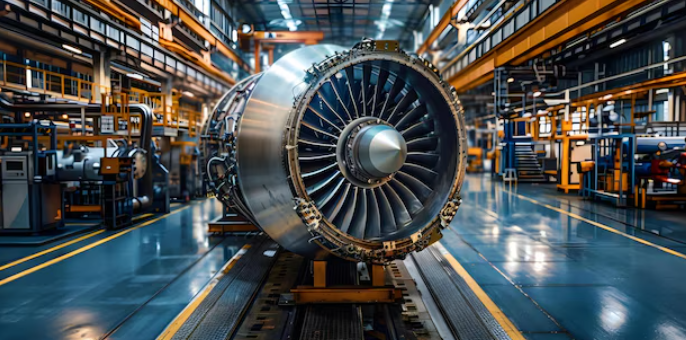
Generator Rotor Repair: Restoring Electrical Integrity and Preventing Costly Failures
In today’s competitive power generation industry, generator rotor reliability is essential for maintaining uptime, safety, and profitability. A single unplanned outage caused by rotor failure can lead to massive generation losses and expensive emergency repairs. This is why proactive generator rotor repair and refurbishment have become central to the maintenance strategies of utilities and industrial power producers.
This article explores the most common rotor failure modes—such as insulation degradation, winding loosening, and shaft cracking—and how advanced repair solutions restore electrical integrity, reduce downtime, and extend equipment life.
Understanding the Role of the Generator Rotor
The generator rotor is the heart of an electrical generator. It converts mechanical energy from a turbine into electromagnetic energy that drives power production. Because it rotates at extremely high speeds—often thousands of RPM—while enduring thermal and mechanical stresses, even minor defects can quickly lead to major system instability.
Rotors are exposed to vibration, centrifugal force, high heat, and electrical stress. Over time, these conditions degrade the rotor’s insulation, mechanical alignment, and balance. Without timely inspection and repair, these issues can result in short circuits, ground faults, or catastrophic mechanical failures.
See also: How Technology Is Improving Healthcare Accessibility
Common Failure Modes in Generator Rotors
Regular maintenance inspections often reveal patterns of deterioration that, if left unchecked, lead to unplanned shutdowns. Below are the most common issues identified during generator rotor repair services.
1. Insulation Degradation
Thermal cycling, high voltage stress, and contamination from oil or moisture cause insulation breakdown over time. When insulation fails, it can lead to phase-to-ground or turn-to-turn shorts, severely reducing the generator’s electrical efficiency and stability.
Repair approach: Skilled technicians use advanced diagnostic tests such as EL-CID, surge testing, and insulation resistance measurement to assess condition. Damaged insulation is removed and replaced with high-grade epoxy or resin systems rated for elevated temperature and voltage endurance.
2. Winding Loosening
The rotor’s copper windings expand and contract during normal operation. Over time, this causes them to loosen or shift, leading to imbalance, vibration, and uneven magnetic fields.
Repair approach: During rotor rewinding, the coils are removed, cleaned, reinsulated, and rewound under precision tension to restore mechanical and electrical stability. This process not only restores performance but also enhances the rotor’s lifespan.
3. Shaft Cracking and Journal Damage
Fatigue stresses, corrosion, or bearing failure can cause cracks or wear at critical shaft areas. Even minor cracks can propagate under load, resulting in catastrophic failure if not detected early.
Repair approach: Non-destructive testing (NDT) methods like ultrasonic inspection, magnetic particle testing, and dye penetrant inspection help locate hidden cracks. Laser cladding or precision machining restores the damaged shaft areas, ensuring mechanical integrity.
4. Field Coil Short Circuits
Shorts in the field coils often result from insulation abrasion, contamination, or excessive heat. This reduces field current balance and generates localized hot spots.
Repair approach: Repairing or rewinding coils and rebalancing the magnetic field restores the generator’s proper excitation and reduces the risk of uneven temperature distribution.
5. Imbalance and Vibration
Rotor imbalance may result from uneven wear, material buildup, or poor assembly tolerances. This imbalance increases bearing load, accelerates wear, and generates vibration that can damage the stator or turbine coupling.
Repair approach: Dynamic balancing—performed using precision balancing machines—eliminates vibration, ensuring smooth, reliable operation during high-speed rotation.
Advanced Techniques Used in Generator Rotor Repair
Modern generator rotor repair services utilize advanced technologies that not only fix damage but also enhance reliability beyond the rotor’s original specifications.
1. Non-Destructive Testing (NDT) and Diagnostics
Comprehensive testing is the foundation of successful repair. Methods such as:
- Ultrasonic inspection detects internal cracks.
- Borescope inspection allows visual access to hard-to-reach areas.
- High-potential testing (Hi-Pot) verifies insulation strength.
- Thermal imaging identifies hot spots and imbalance.
These diagnostics guide engineers in selecting the most effective repair or replacement actions.
2. Precision Machining and Rebalancing
Using CNC and laser-guided machining tools, rotor components are reshaped to precise tolerances. After machining, dynamic balancing ensures that vibration levels remain within strict ISO limits, protecting bearings and couplings.
3. Rewinding and Insulation Upgrades
In many cases, rotors are rewound using improved copper materials and high-temperature insulation. This process not only restores performance but also brings the rotor in line with modern efficiency and durability standards.
4. Welding, Cladding, and Surface Restoration
Cracked or worn shaft journals and coupling areas can be restored using tungsten inert gas (TIG) welding or laser cladding. These techniques rebuild metal surfaces with materials stronger and more corrosion-resistant than the originals.
5. High-Speed Balancing and Overspeed Testing
Once repairs are complete, rotors are tested under operational speeds in a controlled environment. Overspeed testing verifies structural integrity, while high-speed balancing ensures the rotor can operate vibration-free within its full speed range.
The Benefits of Timely Generator Rotor Repair
Choosing timely generator rotor repair provides multiple operational and financial advantages for power producers and industrial plants.
1. Reduced Downtime
By detecting and repairing issues early, operators avoid forced outages and emergency repairs. Scheduled repairs can often be completed during planned maintenance windows, minimizing disruption to generation schedules.
2. Cost Savings Compared to Replacement
Repairing a rotor costs a fraction of full replacement. With techniques like rewinding and surface restoration, repaired rotors can perform like new at a significantly lower capital expense.
3. Improved Heat Rate and Efficiency
A well-maintained rotor operates more efficiently, converting more mechanical energy into electrical output. Restoring electrical balance and mechanical alignment helps lower the heat rate, meaning the plant consumes less fuel for the same energy output.
4. Enhanced Safety and Reliability
Rotor failure poses serious risks—not only to production but also to personnel and nearby equipment. Regular inspection and timely repair mitigate these risks by ensuring mechanical stability and electrical integrity.
5. Extended Equipment Life
Precision repair processes restore the rotor to near-original condition, extending operational life by many years. This long-term reliability contributes to better asset management and lower lifecycle costs.
Integrating Rotor Repair into Maintenance Strategy
Successful generator maintenance programs incorporate rotor inspections into planned outage cycles. Utilities often schedule major overhauls every 5–7 years, depending on operating hours and stress levels.
During these outages, rotors should undergo:
- Visual and NDT inspection
- Electrical testing (EL-CID, surge, IR)
- Mechanical alignment checks
- Dynamic balancing and thermal analysis
Partnering with a specialized rotor repair shop ensures access to the latest repair technology, certified technicians, and OEM-level testing capabilities.
Conclusion
In high-demand energy environments, generator rotor repair is more than just maintenance—it’s a strategic investment in reliability, safety, and efficiency. From rewinding and re-insulation to precision machining and dynamic balancing, these services restore electrical integrity and mechanical stability while reducing the risk of costly, unplanned outages.
By making rotor repair an integral part of routine maintenance, power producers can protect their assets, extend equipment lifespan, and maintain consistent performance—even under demanding operational conditions.
.