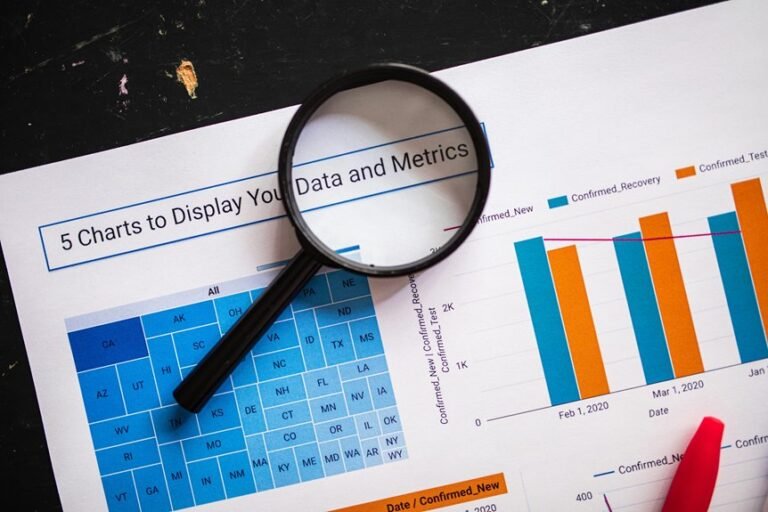
Performance Review and Market Trends: 8081965546, 120330860, 38546974, 967246127, 72011544, 9052092772
The relationship between performance reviews and market trends has become increasingly significant in contemporary business environments. Organizations now leverage data analytics to align employee evaluations with fluctuating economic indicators. This strategic approach not only enhances productivity but also cultivates a culture of continuous improvement. However, the implications of this alignment extend beyond individual assessments, raising questions about broader organizational effectiveness. Understanding these dynamics could redefine how businesses approach employee performance in a competitive landscape.
The Importance of Performance Reviews in Modern Business
Although performance reviews have long been a staple in organizational management, their significance in modern business continues to grow as companies strive for enhanced productivity and employee engagement.
Effective performance reviews facilitate valuable employee feedback and align individual contributions with organizational goals.
Analyzing Market Trends and Their Impact on Employee Evaluation
As organizations navigate an increasingly dynamic market landscape, understanding current trends is essential for refining employee evaluation processes.
Market fluctuations and economic indicators significantly influence performance benchmarks, necessitating adaptive strategies.
Trend analysis reveals the relationship between employee engagement and workforce adaptability, enabling businesses to align evaluations with industry demands.
Consequently, organizations can foster a culture of continuous improvement that reflects the realities of the marketplace.
Key Identifiers and Their Relevance to Performance Metrics
Key identifiers play a crucial role in shaping performance metrics within organizations.
These indicators, derived from data analytics, provide essential insights into employee productivity and operational efficiency.
By evaluating performance indicators, organizations can develop targeted strategies that foster improvement while aligning with broader market demands.
Consequently, understanding these key identifiers enables informed decision-making that enhances overall organizational performance and adaptability.
Strategies for Aligning Employee Performance With Market Dynamics
How can organizations effectively align employee performance with the ever-evolving dynamics of the market?
By fostering employee engagement through regular feedback and adaptive training programs, organizations can enhance performance alignment.
Implementing flexible goals that reflect market trends ensures that employees remain motivated and focused.
This strategic approach not only improves individual performance but also strengthens organizational resilience in a competitive landscape.
Conclusion
In a landscape where adaptation is paramount, organizations are encouraged to embrace a nuanced approach to performance reviews. By harmonizing employee evaluations with ever-evolving market trends, companies can cultivate a thriving environment that not only nurtures individual potential but also aligns with broader organizational aspirations. This strategic alignment serves as a catalyst for continuous improvement, transforming challenges into opportunities and ultimately reinforcing a robust framework for sustained success in a competitive arena.