How Technology Is Improving the Safety of Workers
The integration of technology into workplace safety is reshaping how organizations protect their employees. Wearable devices provide real-time health monitoring, while predictive analytics identify potential hazards before they escalate. Additionally, virtual reality offers innovative training methods that enhance understanding of safety protocols. These advancements are not only transforming safety practices but also fostering a culture of prevention. As these technologies evolve, their impact on worker safety continues to expand, raising important questions about future implications.
Wearable Technology and Health Monitoring
As organizations increasingly prioritize worker safety, the integration of wearable technology has emerged as a pivotal advancement in health monitoring.
Smart helmets equipped with biometric sensors track vital signs, environmental conditions, and potential hazards in real time. This technology not only enhances situational awareness but also empowers workers by providing immediate feedback, fostering a proactive approach to safety and reducing the risk of workplace injuries.
See also: How Technology Is Improving Healthcare Accessibility
Predictive Analytics for Hazard Prevention
While traditional safety measures often react to incidents after they occur, predictive analytics for hazard prevention allows organizations to proactively identify and mitigate risks before they lead to accidents.
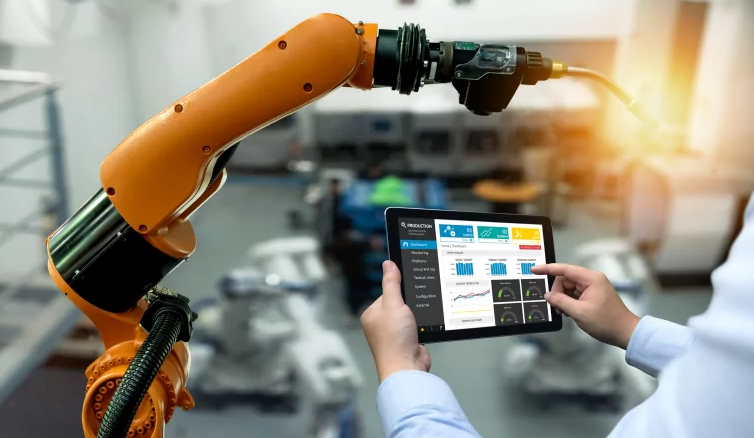
By utilizing comprehensive risk assessment techniques and data visualization tools, businesses can discern patterns and trends in workplace hazards, enhancing their ability to implement preventive strategies effectively.
Ultimately, this fosters a safer work environment for all employees.
Virtual Reality for Safety Training
Virtual reality (VR) technology is revolutionizing safety training by providing immersive, hands-on experiences that allow employees to engage with realistic simulations of hazardous situations.
This innovative approach enhances learning retention and skill application, promoting a deeper understanding of safety protocols.
Enhanced Communication Tools for Emergency Response
The integration of technology in workplace safety extends beyond training simulations to include enhanced communication tools for emergency response.
These tools facilitate real-time coordination among workers, ensuring swift dissemination of emergency alerts. By enabling immediate communication, organizations can effectively manage crises, minimizing risks and enhancing overall safety.
This advancement empowers employees, fostering a sense of security and freedom in their work environments.
Conclusion
Ironically, in an age where technology often distracts and disconnects, it paradoxically enhances worker safety and fosters a culture of vigilance. While the tools designed for convenience can be misused, innovations like wearable devices, predictive analytics, and virtual reality are transforming workplaces into safer environments. By empowering employees with real-time data and immersive training, these advancements not only mitigate risks but also encourage a deeper commitment to safety, revealing that technology can indeed be a guardian rather than a foe.